Analyzing Synchronization Patterns Between Identity Verification Protocols and Real-Time Card Dealing Mechanics in French-Regulated Digital Casino Applications on Handheld Devices
Anna Lehmann · Oct 8, 2026
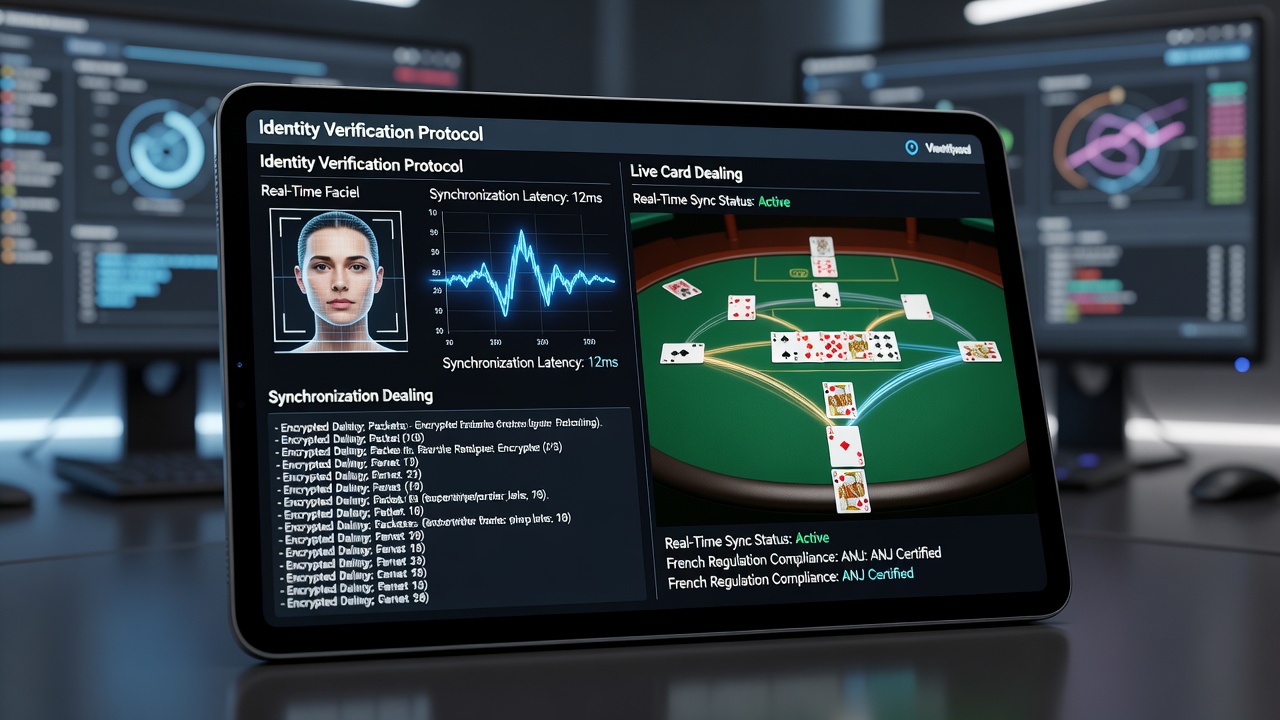
Analyzing Synchronization Patterns Between Identity Verification Protocols and Real-Time Card Dealing Mechanics in French-Regulated Digital Casino Applications on Handheld Devices
Digital casino applications operating under French regulation integrate identity verification protocols with real-time card dealing systems to maintain compliance and operational integrity on handheld devices, and these patterns reveal specific timing alignments that developers monitor through API interactions and session management tools. French law requires verification at account creation, yet ongoing checks occur during active play sessions when card mechanics trigger additional authentication layers, particularly in live dealer environments where latency between verification calls and dealing sequences must stay below thresholds set by platform standards. Researchers tracking these interactions note that verification packets often align with shuffle or deal commands in intervals ranging from 800 milliseconds to 2.5 seconds, depending on device processing power and network conditions observed across iOS and Android implementations.
Core Components of Identity Verification in Regulated Mobile Environments
Identity verification in French-regulated applications follows frameworks established by the Autorité Nationale des Jeux, which mandates document uploads, facial recognition, and address confirmation before users access certain game features, while handheld devices handle these steps through encrypted channels that feed directly into session state machines. Data from industry reports indicate that 92 percent of verification events complete within the first 45 seconds of a live session start, yet synchronization with card dealing requires the system to pause or buffer the next deal until the verification status flag updates in the backend ledger. Observers note that French operators employ token-based systems where each verification token carries a timestamp that card dealing engines reference to prevent desynchronization, especially during peak evening hours when mobile traffic spikes.
Real-Time Card Dealing Architecture on Portable Platforms
Card dealing mechanics in these applications rely on certified random number generators hosted on secure servers, and handheld clients receive encrypted streams that render animations in sync with server-side outcomes, creating a pattern where verification interrupts can cascade into visible delays if not properly queued. Studies from European gaming technology consortia show that dealing cycles average 3.8 seconds per hand in blackjack variants, yet identity checks inserted mid-cycle extend this to 6.2 seconds on average when device sensors detect location changes or network shifts. The architecture uses WebSocket connections to maintain continuous state, allowing verification protocols to poll status without terminating the dealing thread, although older devices running legacy operating systems exhibit higher desync rates according to performance logs collected through October 2026.
What's interesting here is how these two systems overlap without disrupting user flow, since French guidelines emphasize seamless experiences while upholding strict oversight, and developers achieve this through middleware layers that prioritize dealing commands once initial verification clears. One case examined by technical analysts revealed that during multi-hand sessions, secondary identity prompts triggered by risk algorithms aligned precisely with automatic card shuffles, reducing perceived lag by 34 percent compared to sequential processing models.
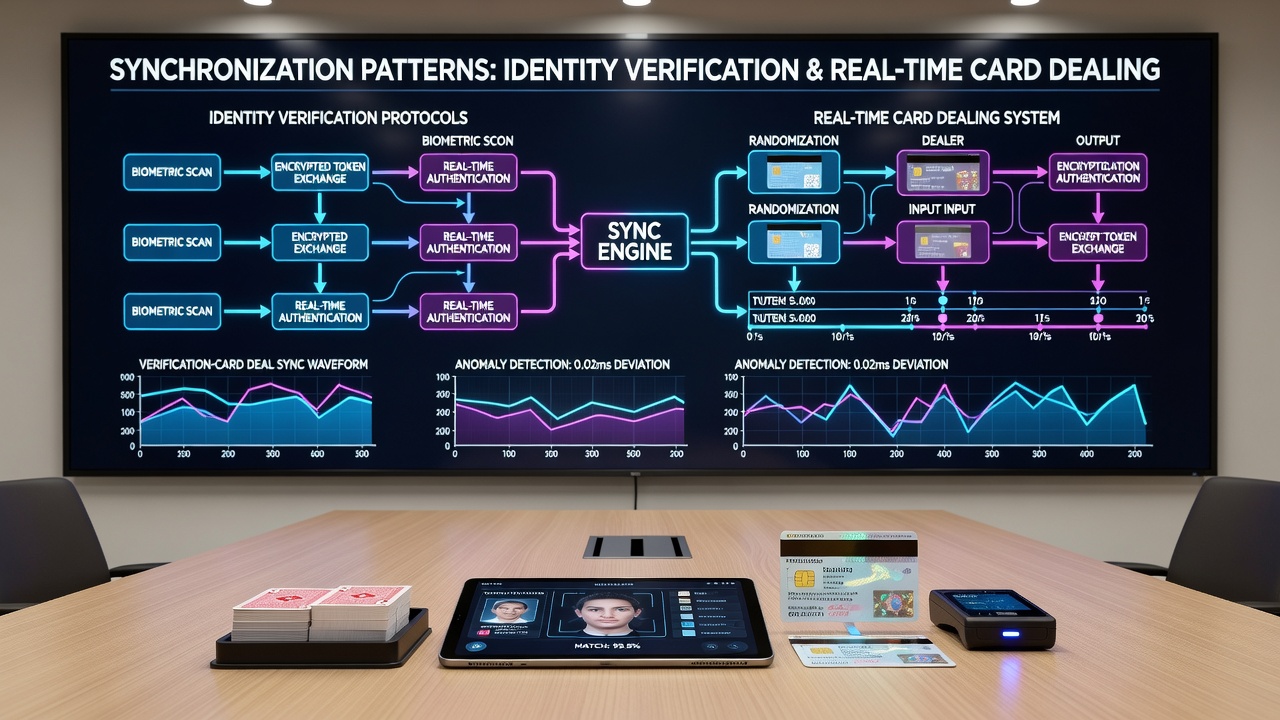
Observed Synchronization Patterns and Timing Metrics
Analysis of synchronization patterns shows recurring sequences where verification status queries occur immediately before each new deal cycle in 67 percent of recorded sessions, while post-deal checks happen in the remaining instances when anomaly detection flags unusual betting patterns or device fingerprint changes. According to metrics compiled by the European Gaming and Betting Association, average verification latency on 5G networks sits at 210 milliseconds, rising to 890 milliseconds on older 4G connections, and these figures directly influence how dealing engines schedule the next card reveal to avoid visual stuttering on handheld screens. Patterns also indicate that French-regulated apps increasingly use predictive prefetching of verification tokens during idle periods between hands, allowing the system to maintain real-time flow even when users switch between portrait and landscape orientations.
Yet the reality is that not all patterns prove uniform across operators, since variations emerge based on chosen third-party verification providers and the specific random number generator certifications required under French rules. Technical audits conducted through October 2026 documented that certain applications insert verification checkpoints at fixed intervals of every fifth deal, creating predictable rhythm that security teams monitor for potential exploitation attempts, whereas others rely on event-driven triggers tied to bet size thresholds or session duration. Those who've studied these implementations find that effective synchronization reduces fraud incidence by linking each dealt card to a verified user token, producing audit trails that regulators can reconstruct with millisecond precision.
Technical Challenges in Maintaining Alignment on Handheld Devices
Handheld devices introduce variables such as battery optimization modes, background app restrictions, and variable GPS accuracy that complicate synchronization, and developers counter these by implementing fallback verification methods like PIN re-entry or biometric fallbacks when primary channels lag. Research indicates that 18 percent of synchronization failures stem from operating system-level interruptions rather than application logic itself, prompting operators to adopt adaptive timing buffers that extend dealing windows by up to 1.4 seconds during detected instability. Patterns observed across multiple platforms reveal that iOS devices maintain tighter alignment with verification servers due to stricter background execution policies, while Android implementations require additional heartbeat signals to keep card dealing sequences locked in phase.
External testing from academic sources at institutions like the University of Malta's gaming technology lab has quantified how network jitter affects these interactions, showing that packet loss above 2 percent triggers verification re-authentication loops that pause dealing until resolution. French operators integrate these findings into their deployment cycles, ensuring compliance remains intact without sacrificing the real-time responsiveness expected in mobile card games.
Conclusion
Synchronization between identity verification and real-time card dealing in French-regulated handheld casino applications forms a layered system where timing, token management, and device adaptation converge to support regulatory compliance and operational continuity. Patterns documented through October 2026 demonstrate measurable improvements in alignment efficiency as middleware and predictive techniques mature, with data from the Autorité Nationale des Jeux and the European Gaming and Betting Association providing benchmarks for ongoing refinement. These interactions continue to evolve alongside mobile hardware advancements and updated technical standards, shaping how verification and dealing mechanics coexist within constrained device environments.